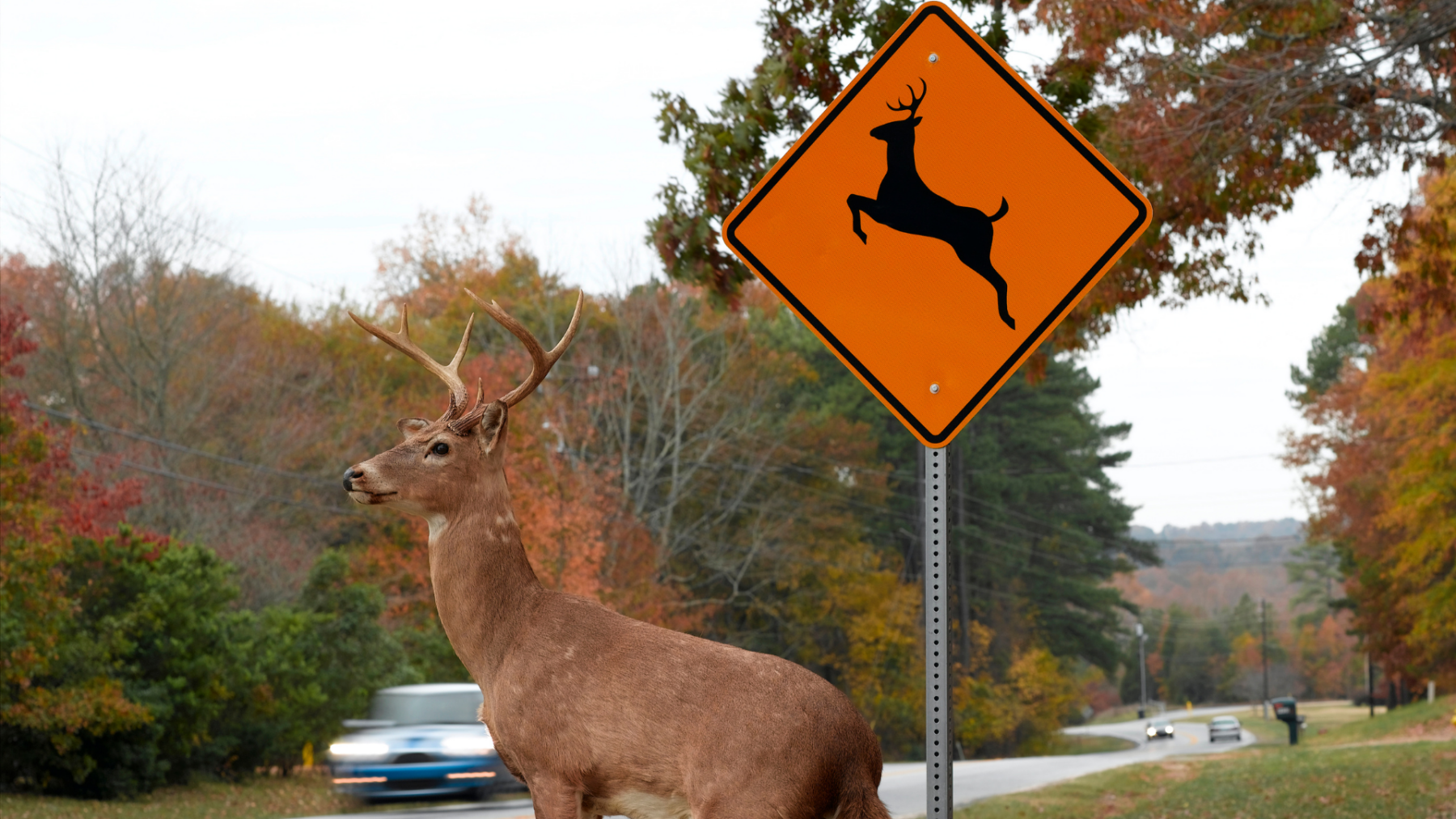
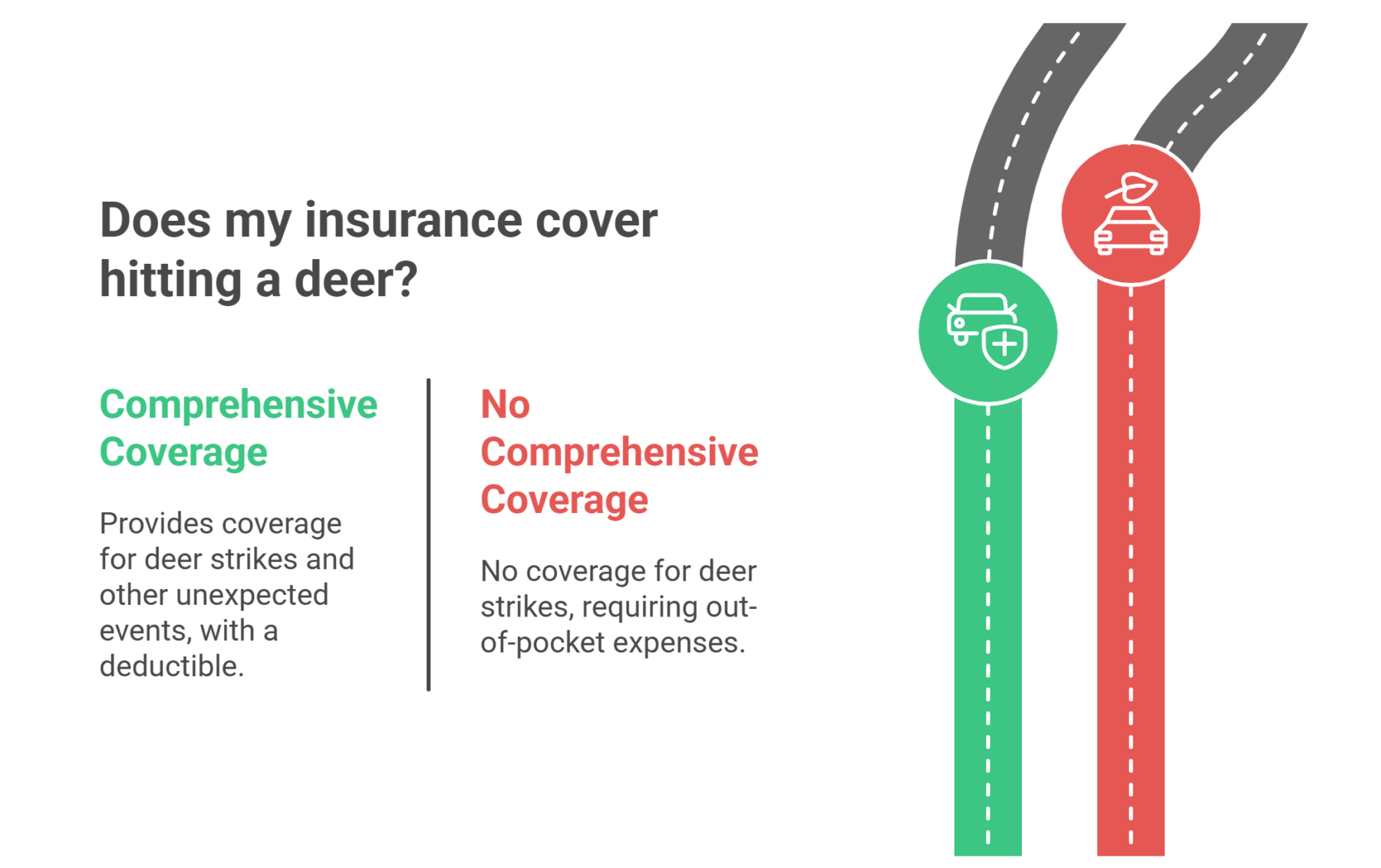
It’s that time of year again. Deer are on the move, especially during dusk and dawn. Unfortunately, that also means an increase in animal-related accidents on the road. If you’ve ever wondered, “Does my insurance cover hitting a deer?”, the answer depends on one key thing: whether or not you have Comprehensive coverage on your auto policy.
Comprehensive vs. Collision: What’s the Difference?
It’s a common misconception that hitting a deer would fall under “collision” coverage — but most often, that’s not the case. Deer strikes are usually actually considered a Comprehensive loss, not a collision.
Comprehensive coverage helps protect your vehicle from unexpected events beyond your control, like theft, vandalism, fire, falling objects, and yes, animal-related damage. Glass broken in an animal strike is generally covered under Comprehensive, though some policies may allow it to be handled under Collision depending on the circumstances.
If you have Comprehensive coverage, here’s what happens:
- You’ll pay your Comprehensive deductible, and your insurance company generally covers the rest, up to your car’s actual cash value.
- In many states, there’s no surcharge (rate increase) for animal-related claims, though that can vary depending on your insurer and location.
What If You Don’t Have Comprehensive Coverage?
If your policy only includes Liability or Collision coverage, then damage from hitting a deer most likely, won’t be covered. That means:
- No payout for your vehicle’s damage.
- Repair or replacement costs come out of your pocket.
- You can still use towing or rental reimbursement but only if you added those coverages to your policy.
If you’re not sure what you have, this is a great time to double-check. Adding Comprehensive coverage could save you thousands of dollars if the unexpected happens.
What to Do After Hitting a Deer
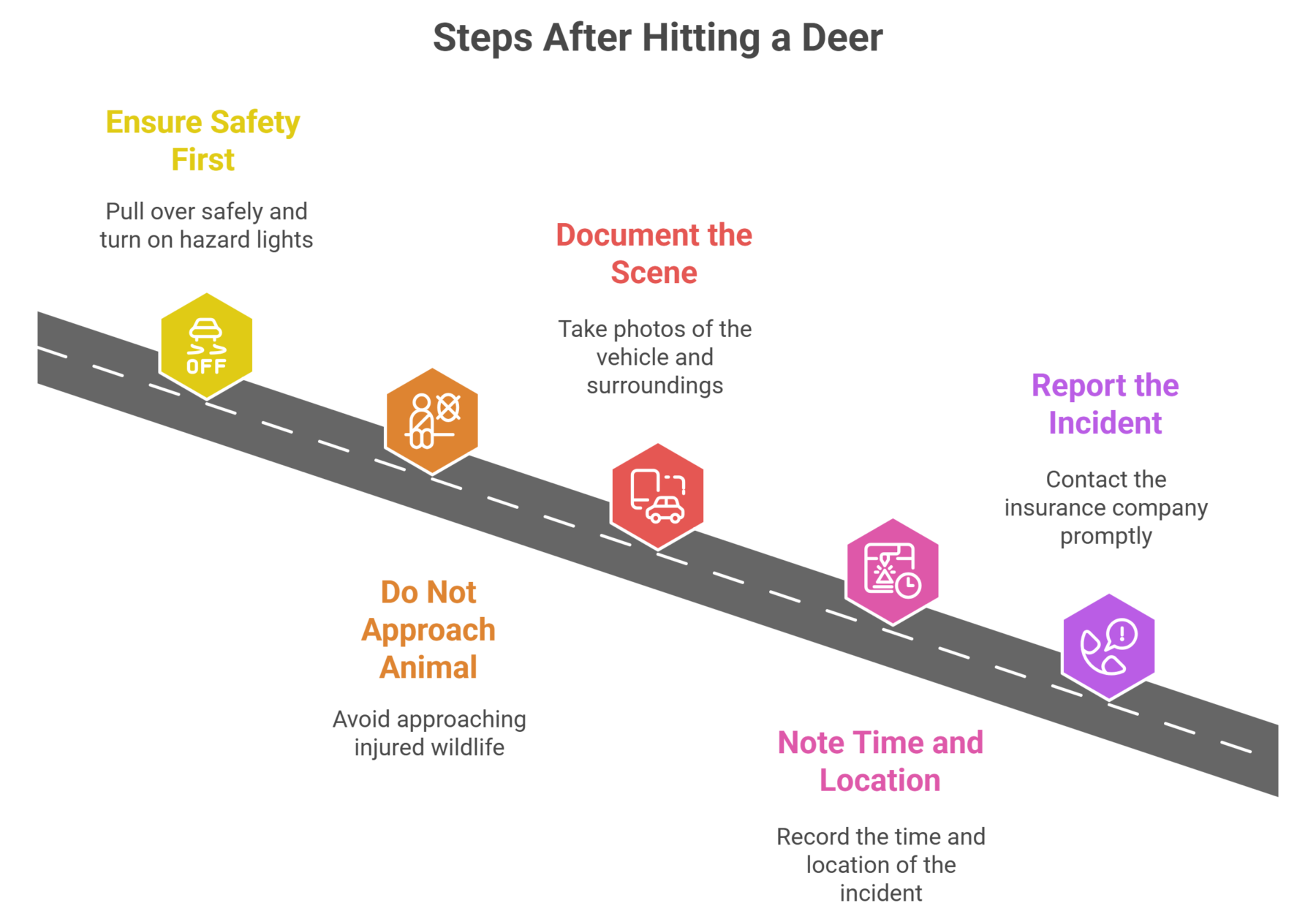
If you ever find yourself in this situation, stay calm and take these steps:
- Ensure safety first. Pull over safely and turn on your hazard lights.
- Do not approach the animal. Injured wildlife can behave unpredictably.
- Document the scene. Take photos of your vehicle and the surroundings.
- Note the time and location. This helps when filing your claim.
- Report the incident to your insurance company as soon as possible.
Also, make sure you know your deductible amount, and check whether rental and towing coverage are part of your policy. They can make handling an accident much easier.
The Bottom Line
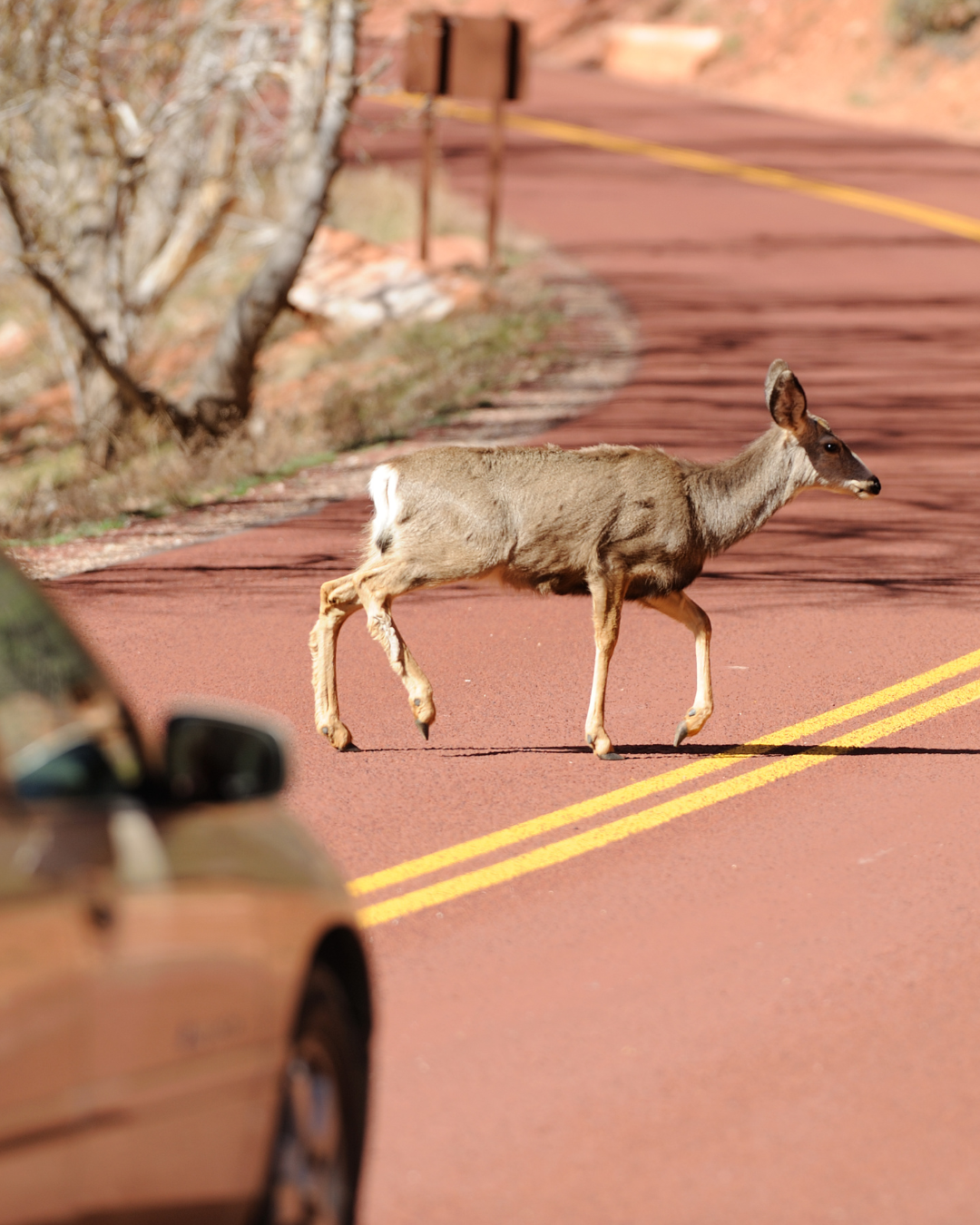
Hitting a deer can be scary and stressful, but knowing your coverage ahead of time can make all the difference. If you carry Comprehensive coverage, your insurer helps cover repairs (minus your deductible). Without it, you’re responsible for the costs yourself.
Take a few minutes to review your auto policy or better yet, talk with your local PNW Insurance agent. We’ll help you confirm your coverage, walk you through your deductible, and make sure you’re protected for whatever the road brings next.
Learn More From the PNW Team on YouTube
If you found this helpful, we share even more practical, real-life insurance guidance on our YouTube channel.
On our channel, you’ll find:
- Quick breakdowns of common insurance questions
- Home, auto, and business coverage tips
- Claim scenarios (what’s covered vs. what’s not)
- Ways to avoid costly mistakes and protect what matters most
Head over to our YouTube channel and subscribe to stay informed, prepared, and confident about your coverage.