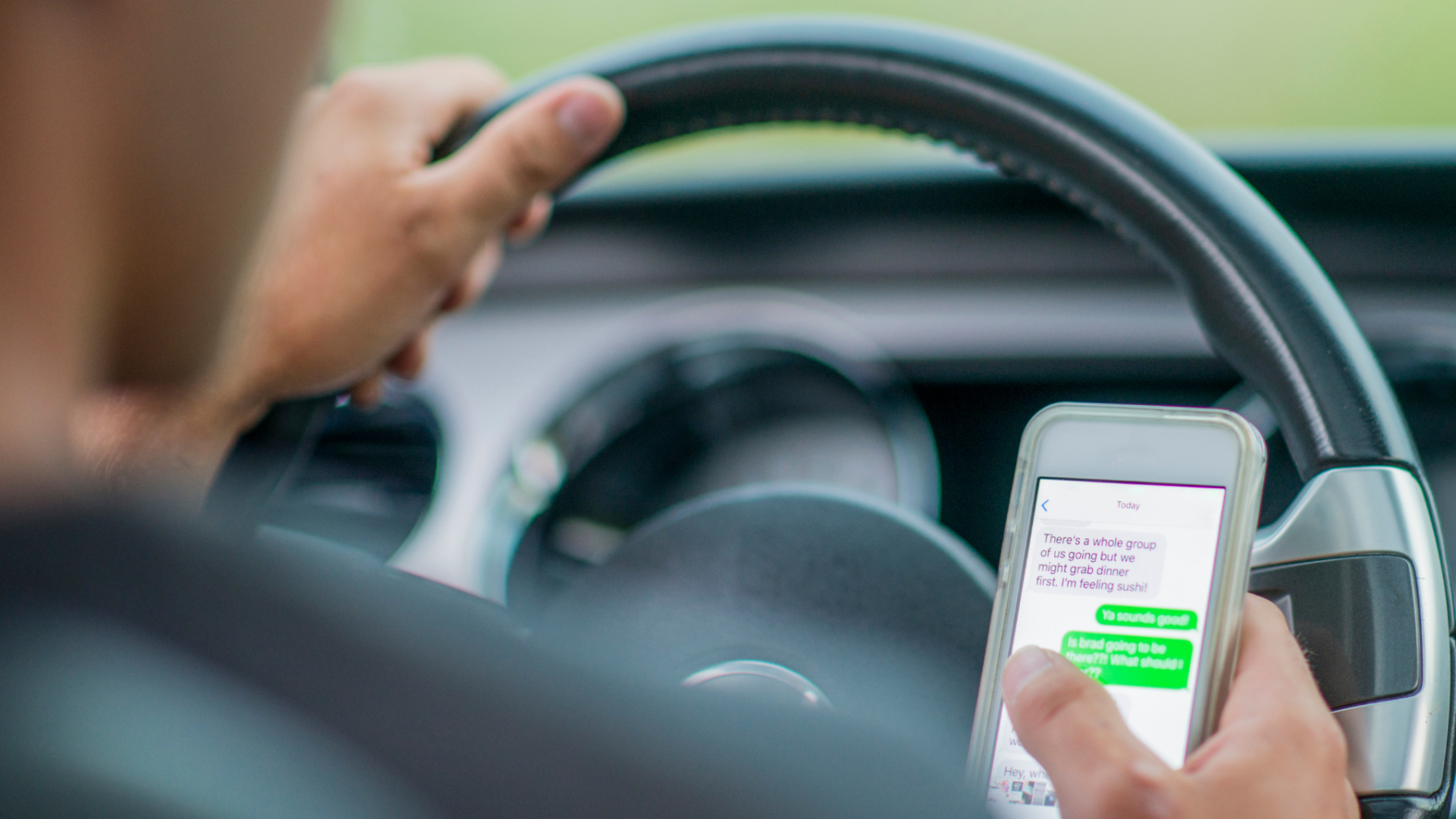
A split-second glance at your phone. A quick bite of lunch. These tiny moments might seem harmless, but they are some of the biggest safety risks on the road, and they are more common than you’d think.
Distracted driving is a year-round challenge, and here at PNW Insurance Group, we believe road safety is a priority every single day. We’re not just here to sell coverage; we’re here to help you and your family understand the real-world risks that affect your daily drive.
What Exactly Is Distracted Driving?
Driver distraction is a specific type of driver inattention that occurs when a driver diverts their focus away from the driving task to another activity. While conversations about distracted driving often focus on texting or cellphone use, distractions can take many forms, including:
- Eating or drinking while driving
- Talking with passengers
- Adjusting the radio or climate controls
- Interacting with navigation systems or vehicle settings
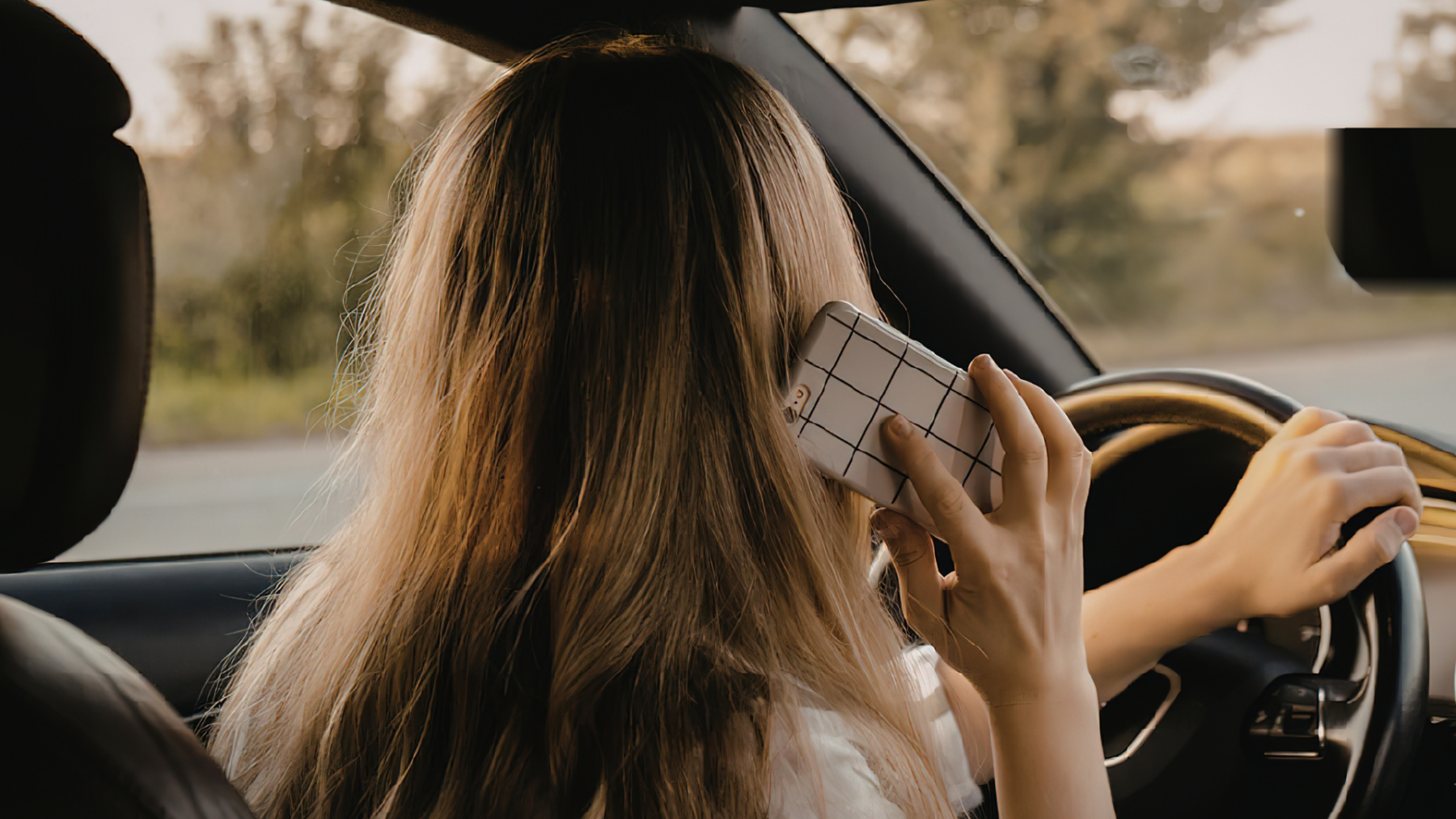
- Using any handheld electronic device
A distraction-affected crash is any motor vehicle accident where a driver was identified as distracted at the time of the incident.
The Reality Behind the Numbers
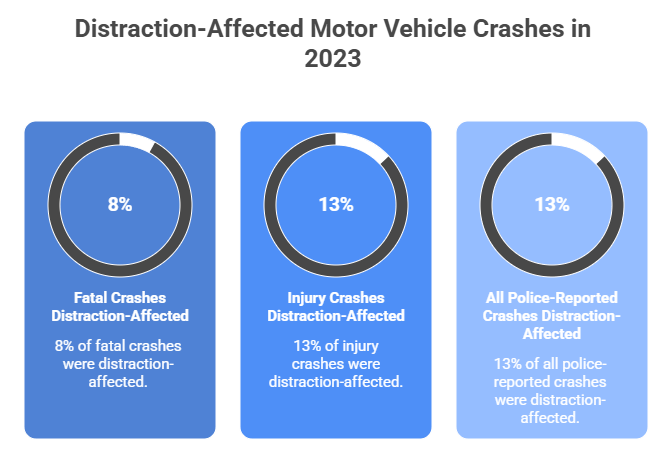
Distracted driving is more common than many people realize, and the numbers help put the risk into perspective. Recent national data shows that distraction played a role in about 8% of fatal crashes and 13% of injury-related crashes in a single year. This resulted in 3,275 lives lost and 324,819 people injured due to distraction-related incidents.
What’s important to understand is that distracted driving goes beyond texting or phone use. Everyday actions like adjusting vehicle settings, eating, or focusing on conversations inside the car can pull attention away from the road.
Younger drivers continue to show higher rates of distraction involvement, and these crashes don’t just affect drivers, pedestrians, cyclists, and others on the road are also impacted.
If you’d like to explore the full research and data, you can learn more directly from the National Highway Traffic Safety Administration here: https://crashstats.nhtsa.dot.gov/Api/Public/ViewPublication/813703
Why Hands-Free Laws Are Becoming More Common
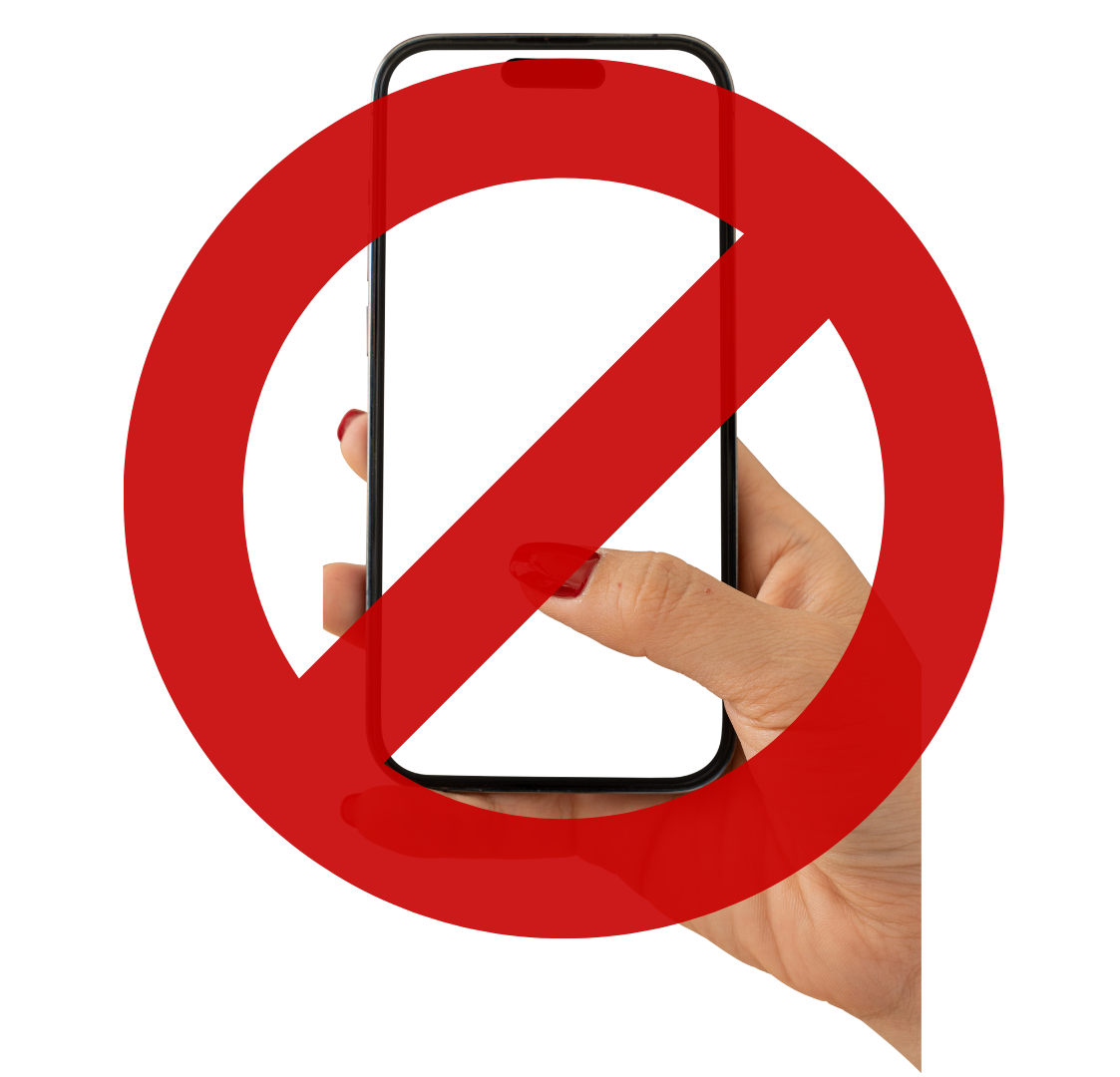
As technology has become part of everyday life, states across the country including Washington, have adopted hands-free driving laws to help reduce risk.
In Washington, drivers are generally not allowed to hold or use a handheld phone while driving, even when stopped at a red light or waiting in traffic. Hands-free options, such as mounted devices or voice commands, are typically permitted, but activities like typing, scrolling, or manually entering information may still be restricted.
A particularly important point for Washington drivers is that handheld mobile use is treated as a primary enforcement violation, which means an officer may stop a vehicle solely for that behavior. That local enforcement reality makes even quick “just for a second” phone use more significant.
Washington may also treat other forms of unsafe distraction more seriously if the distraction contributes to another traffic violation or unsafe driving behavior.
Even when built-in vehicle screens and infotainment systems are permitted, they can still take attention away from the road. The safest approach is still to keep non-essential interactions to a minimum while driving.
Why This Matters for Washington Drivers
Understanding distracted driving isn’t meant to create fear. It’s about building awareness. Planning ahead may help reduce these risks. For many Washington drivers and parents, small habit changes can go a long way, especially when modeling safe behavior for younger or less experienced drivers. Some practices you might consider include:
- Setting your route or navigation before starting your drive
- Adjusting music, climate controls, or vehicle settings ahead of time
- Using a mounted device with voice commands rather than holding a phone
- Limiting non-essential interactions while the vehicle is moving
- Securing pets properly to minimize unexpected distractions
- Pulling over safely if you need to assist children or manage something urgent
The Insurance Perspective: Prevention First
Even with good driving habits, situations can still happen. If you’re ever involved in a distraction-related incident, a few thoughtful steps may help make the experience more manageable:
- Prioritize safety first. If possible, move to a safe area and check on everyone involved.
- Document what you can. Photos and brief notes may be helpful later if it’s safe to gather them.
- Exchange basic information calmly with other parties.
- Stick to observable facts. Avoid making assumptions or admitting fault at the scene, as details are often clarified later.
- Call 911 when appropriate, especially if injuries are involved or vehicles cannot be moved safely.
- Consider contacting your insurance provider to better understand potential next steps and Washington reporting requirements.
In Washington, if law enforcement does not investigate your collision, you must file a Collision Report (SR-1) with the state when the crash involves injury, death, or at least $1,000 in damage to any one person’s property. The SR-1 should generally be filed within four days of the accident. Check the Washington Department of Licensing or WSDOT guidance for the most current filing steps.
Making road safety a daily habit is one of the most effective ways to protect yourself and others. Simple, repeatable actions like planning your route before you shift into gear or pulling over to manage urgent tasks can help minimize accident risk and protect your financial future.
If you ever have questions about how driving habits, Washington laws, or risk factors might relate to your insurance coverage, working with an independent agency can help you explore options and make more informed decisions.
Frequently Asked Questions (Practical FAQs)
Q: Will a distracted-driving crash raise my insurance premium?
A: It may. If you’re found at fault, the claim could affect future premiums or renewal pricing. The exact impact often depends on your insurer’s underwriting guidelines, claims history, and policy features.
Q: If no officer comes to the scene, should I still report a minor crash?
A: Often, yes. In Washington, a collision report may still be required if no officer investigates and the accident involves injury, death, or damage that appears to meet the reporting threshold. Even when the incident seems minor, promptly notifying your insurer may help preserve smoother claims handling.
Q: Do hands-free systems eliminate my risk of liability from distraction?
A: Not completely. Hands-free tools may reduce manual distraction, but mental distraction can still happen. If attention lapses contribute to a crash, liability may still depend on the full circumstances.
This is general information only. For exact policy language and current Washington filing rules, review your declarations page, policy forms, or contact your insurer or WSDOT.
Learn More From the PNW Team on YouTube
If you enjoy practical, educational content like this, we also share short videos on our YouTube channel where we break down common insurance questions, coverage topics, and real-life scenarios designed to help you make more informed decisions.
Compliance Note
Educational Disclaimer
This article is intended for general educational purposes only and should not be interpreted as legal advice, traffic law guidance, or a coverage determination.
Insurance coverage outcomes may depend on the specific policy language, endorsements, exclusions, underwriting conditions, and the facts of the incident involved. Drivers should review their individual policy documents and consult their insurance professional for guidance related to their specific situation. For legal or reporting questions, readers may also wish to verify current requirements through Washington state agencies or qualified legal counsel.
Last Updated: May 2026
Traffic laws, enforcement practices, accident reporting thresholds, and insurance requirements can change over time. Readers are encouraged to verify the most current information through the Washington State Department of Licensing, Washington State Department of Transportation, or their insurance provider.